


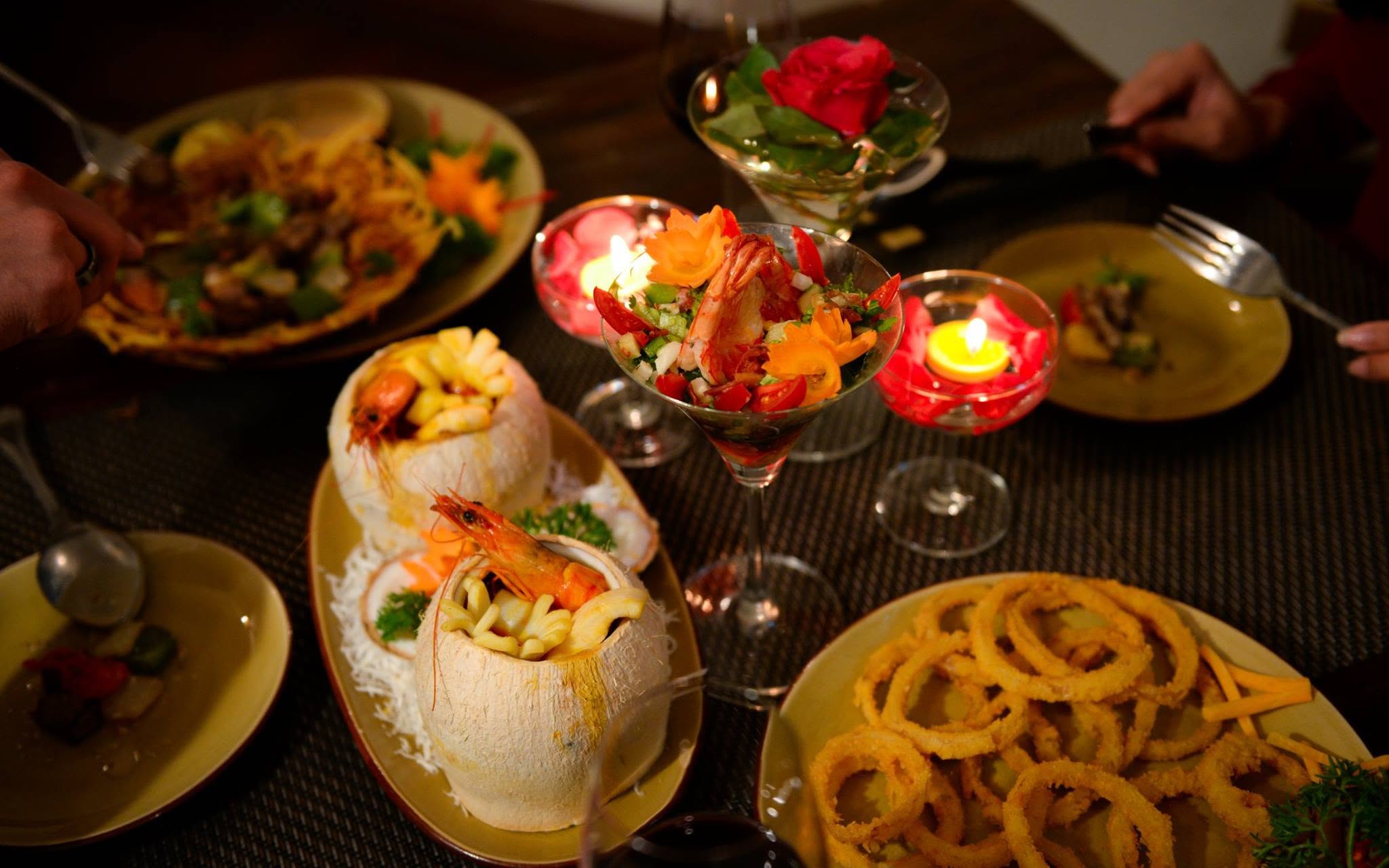
Vietnamese cuisine is renowned not only for familiar dishes like noodle soup, bread, but also for the balance it strikes between various elements: flavor, color, ingredients, and the manner of consumption.
A Vietnamese dish rarely focuses on a single flavor profile. The saltiness of fish sauce might blend with the tanginess of lime, the heat of chili, the natural sweetness of ingredients, and the fragrance of fresh herbs. It is this combination that creates a harmonious and distinctive culinary experience.
Furthermore, rice plays a pivotal role in Vietnamese culinary culture. From rice grains, the Vietnamese people create steamed rice, rice vermicelli, steamed rice rolls, sizzling savory pancakes, and a multitude of other traditional dishes. This clearly reflects the enduring influence of wet-rice civilization on the country’s culinary life.
Vietnamese cuisine also emphasizes a sense of community. A family meal typically features various dishes placed in the center of the table for everyone to share. This style of dining not only fosters closeness but also embodies the cultural values of family unity and emotional connection cherished by the Vietnamese people.
Regional diversity is another factor that makes Vietnamese cuisine unique. Even when using the same ingredients, preparation methods and flavor preferences can vary significantly from one region to another.
Consequently, enjoying Vietnamese food is not merely a sensory experience; it is also a way to explore the culture, history, and people of Vietnam.