


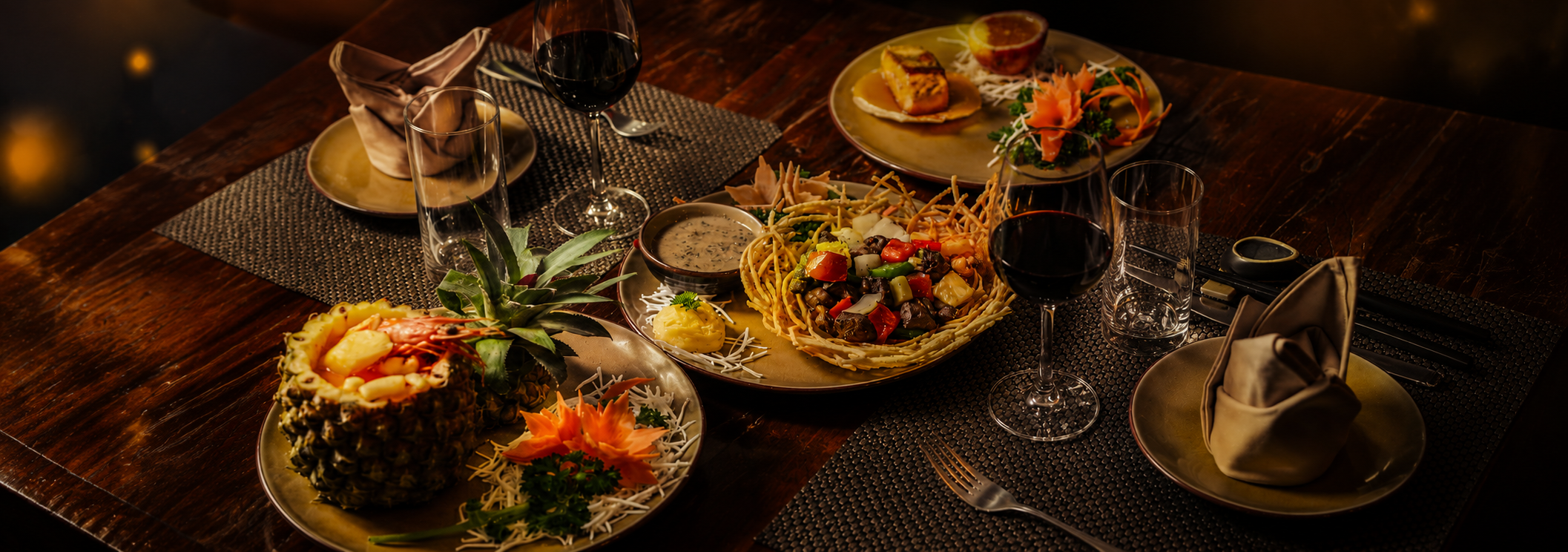
Vietnamese cuisine is shaped by the interplay of nature, history, and community life. As each region possesses distinct natural conditions, the ingredients used and the methods of preparation vary accordingly.
Northern cuisine is characterized by its refinement, lightness, and emphasis on flavor balance. Northerners generally avoid using excessive sugar or chili, preferring instead to highlight the natural flavors of the ingredients and the overall harmony of the dish.
Central cuisine, by contrast, offers a bolder flavor profile. Spicy, salty, and rich tastes are prominent in many dishes. Hue cuisine, in particular, is renowned for its meticulousness, ranging from the selection of ingredients to the final presentation.
Southern cuisine is characterized by its open and diverse style. A sweeter flavor profile is often prominent, featuring signature ingredients such as coconut, fish, shrimp, wild-harvested greens, and various types of fermented fish sauces (*mắm*).
Despite regional differences in taste, all three regions share a common emphasis on fresh ingredients, culinary harmony, and the communal nature of dining.
This is precisely what makes Vietnamese cuisine so appealing: each region offers unique flavors and every dish tells a story, yet together they form the identity of a culinary culture rich in tradition.
If your website belongs to a restaurant specializing in rice and Vietnamese dishes, I can also adjust these three headlines to reflect a sophisticated, upscale “Indochine” style, rather than a standard blog post format.